


 August 19, 2026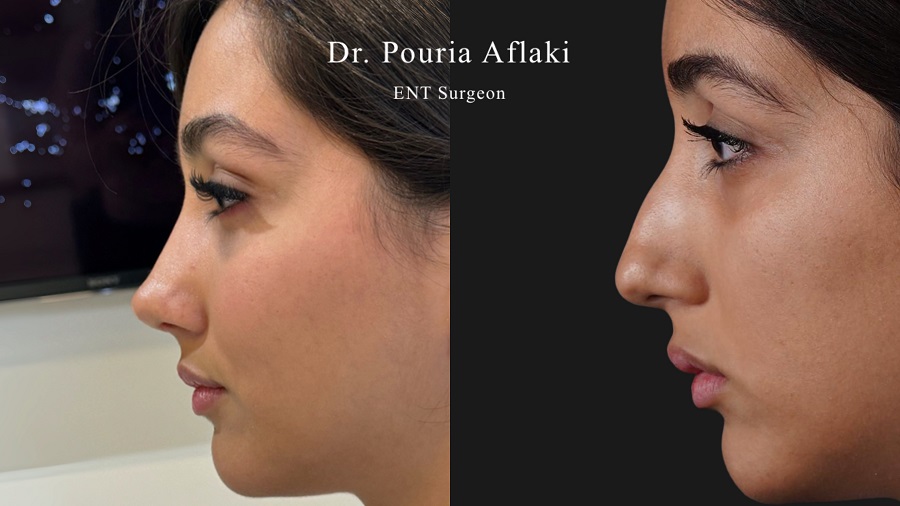
Every nose type requires precise planning and a unique surgical approach. Understanding the characteristics of the skin, cartilage, and bony structure is essential to achieving a natural rhinoplasty result that is long-lasting and functional.
Are the Results of Thick-Skinned Rhinoplasty Permanent?
One of the most common concerns among patients considering thick-skinned rhinoplasty is whether the surgical result will remain stable over time or if the nose may gradually return to its previous shape.
In the past, due to older surgical techniques, many procedures were performed without adequately reinforcing the cartilage and nasal framework. This could cause the results to relapse after some time.
However, with modern rhinoplasty techniques and advanced surgical expertise, the risk of recurrence has been minimized, and the results of thick-skinned nose surgery can be highly durable and long-lasting.
Why Could Thick-Skinned Noses Relapse in the Past?
Traditional rhinoplasty techniques mainly focused on reducing the size of the nose and shaving down cartilage without adequately supporting the nasal tip.
As a result, the tip could not withstand the weight of thick skin and gradually drooped or lost its shape over time. This contributed to the common belief that thick-skinned noses would eventually return to their original form after surgery.
Modern Techniques for Long-Lasting Thick-Skinned Rhinoplasty Results
Today, thick-skinned rhinoplasty can be performed using advanced structural reinforcement techniques, including:
Nasal Tip Reinforcement
Placement of supportive cartilage and structural tissues beneath the nasal tip to help prevent drooping and maintain its shape.
Cartilage Grafting
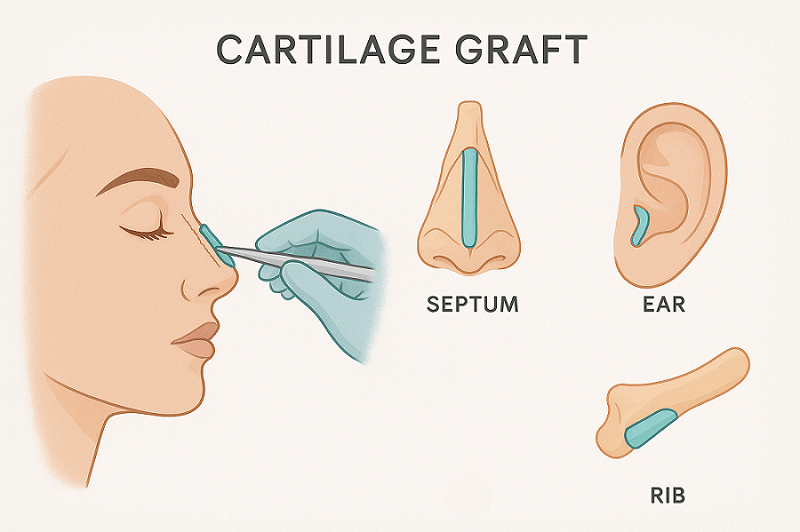
Using cartilage from the septum or ear to provide additional support and long-term structural stability.
Structural Framework Reinforcement
Strengthening the overall nasal structure to help resist pressure from thick skin and external factors.
With these techniques, thick-skinned noses can maintain a refined appearance for the long term.
Factors Affecting the Long-Term Results of Thick-Skinned Rhinoplasty
Surgeon’s Skill and Experience
Choosing a highly experienced rhinoplasty surgeon who specializes in structural reinforcement and cartilage grafting is an important factor in achieving a stable result.
Post-Operative Care
Proper use of nasal taping, protecting the nose from trauma, and carefully following medical instructions are important aspects of post-operative rhinoplasty care.
Individual Nasal Characteristics
Skin thickness and cartilage quality can influence the stability and appearance of the surgical outcome.
Swelling Resolution Timeline
In thick-skinned noses, swelling generally subsides more slowly, and the final nasal shape may take up to one year to fully appear.
Important Tips to Prevent Relapse After Thick-Skinned Rhinoplasty
- Discuss cartilage reinforcement and grafting techniques with your surgeon before surgery.
- Avoid pressure or trauma to the nose during recovery.
- Follow your surgeon’s instructions regarding nasal taping.
- Adhere to post-operative care recommendations, including cold compresses and proper nutrition.
With modern rhinoplasty techniques and structural reinforcement, thick-skinned rhinoplasty results can be both natural and long-lasting. When surgery is performed by an experienced surgeon and proper aftercare is followed, the likelihood of relapse becomes extremely low.
Important Considerations for Thick-Skinned Rhinoplasty
Thick-skinned noses generally achieve the best outcomes with natural-looking surgical designs. Expecting an excessively small or ultra-refined nose may not be compatible with the anatomical limitations of this nose type.
Essential Considerations Before Revision Rhinoplasty
A Guide for Patients with Previous Rhinoplasty or Nasal Trauma
Revision rhinoplasty is one of the most complex forms of nasal surgery and requires exceptional precision, expertise, and surgical skill.
Many patients who are dissatisfied with a previous rhinoplasty result or who have experienced structural damage seek corrective surgery. However, secondary or tertiary rhinoplasty differs significantly from primary surgery and should be approached with careful planning and complete awareness of its challenges.
Choosing an Experienced Revision Rhinoplasty Surgeon
One of the most important factors in successful revision rhinoplasty is selecting a surgeon with extensive experience in complex revision procedures. Many surgeons are reluctant to perform revision surgeries because of their technical difficulty.
An experienced revision rhinoplasty surgeon can:
- Reduce surgical risks.
- Increase the likelihood of achieving a natural-looking result.
- Help prevent long-term complications and structural problems.
Before making a decision, carefully review real patient results, especially cases involving nasal conditions similar to your own.
Challenges of Revision Rhinoplasty
In secondary and tertiary revision rhinoplasty procedures, there is often insufficient remaining cartilage within the nose. Therefore, surgeons may need to harvest cartilage from other areas to rebuild and strengthen the nasal structure.
Ear Cartilage Grafting
- Suitable for subtle corrections such as the nasal tip or alar areas.
- Flexible and effective.
- Less rigid than rib cartilage.
Rib Cartilage Grafting
- Ideal for major structural reconstruction and severely damaged noses.
- One of the strongest options for rebuilding collapsed structures.
- Requires an incision in the chest area.
- May leave a scar.
- Requires advanced surgical expertise and general anesthesia.
Physical and Emotional Preparation Before Revision Rhinoplasty
Adequate Rest
Plan for at least two weeks of recovery time after surgery.
Proper Nutrition
A healthy, nutrient-rich diet plays an important role in supporting tissue healing.
Activity Restrictions
Avoid strenuous activities and intense exercise for several weeks following surgery.
Patience and Realistic Expectations
Final results after revision rhinoplasty may take longer to appear, and swelling may persist longer than after primary rhinoplasty.
Post-Operative Care After Revision Rhinoplasty
- Additional splints and sutures may be necessary to stabilize the nasal structure.
- Swelling and bruising may last longer compared with primary rhinoplasty.
- Strict adherence to the surgeon’s instructions regarding nasal taping and protection is essential.
Managing Expectations and Emotional Well-Being
The decision to undergo revision rhinoplasty should never be made impulsively or during severe emotional distress.
- Feeling disappointed after a previous surgery is understandable.
- Consulting with a psychologist or aesthetic counselor may be beneficial.
- Seeking feedback from trusted family members or friends can help with decision-making.
Revision rhinoplasty offers a second opportunity to achieve a natural and harmonious result, but success requires patience, realistic expectations, and close cooperation between patient and surgeon.
Key Considerations Before Rhinoplasty for Nasal Polyps and Septal Deviation
Choose an Experienced Rhinoplasty Surgeon
A skilled surgeon can address both aesthetic improvement and proper nasal function during rhinoplasty.
Accurate Preoperative Diagnosis
Endoscopy and CT scanning can help identify the exact source of the problem and improve surgical planning.
In-Person Rhinoplasty Consultation
Surgical goals, expectations, and limitations should be thoroughly discussed during an in-person rhinoplasty consultation to establish realistic outcomes.
Understand Potential Risks and Complications
Swelling, bruising, nasal congestion, and, in rare cases, altered sense of smell should be understood before surgery.
Take Post-Operative Care Seriously
Using splints and avoiding heavy physical activity can support safe healing after surgery.
Control Allergies and Chronic Conditions
Sinusitis and allergies should be treated before surgery to improve overall surgical conditions and support successful recovery.
Consider Long-Term Outcomes
A successful rhinoplasty should preserve proper breathing function in addition to improving nasal appearance.
Maintain Realistic Expectations
The final result may take up to one year to fully develop, particularly as swelling gradually resolves.
Differences Between Male and Female Rhinoplasty
Rhinoplasty is one of the most sophisticated and personalized cosmetic procedures, affecting both nasal appearance and breathing function.
One of the most important aspects of surgical planning is understanding the anatomical and aesthetic differences between male and female noses.
Anatomical Differences Between Male and Female Noses
Male Nose
- Noses are generally larger and structurally stronger.
- The nasal bridge is generally straighter and more prominent.
- Thicker skin and stronger cartilage provide greater structural durability.
- Nasal tips are generally broader with more defined masculine contours.
Female Nose
- Noses are generally smaller and more delicate.
- The nasal bridge is softer, and the tip may be slightly elevated and rotated.
- Thinner skin and softer cartilage may require more refined surgical techniques and, in some cases, additional structural support.
- Softer and more curved nasal lines can contribute to feminine facial harmony.
Aesthetic Goals in Male and Female Rhinoplasty
Aesthetic Goals of Male Rhinoplasty
- Preference for a straight and strong nose.
- Preservation of masculine and natural facial characteristics.
- A defined bridge and broader tip to maintain a masculine appearance.
Aesthetic Goals of Female Rhinoplasty
- A more refined nose with a slightly elevated tip.
- Narrower bridge with softer contours.
- A natural feminine appearance without looking surgically altered.
Gender-Specific Rhinoplasty Techniques
Male Rhinoplasty
- Emphasis on preserving strong structural support.
- Avoiding excessive refinement.
- Maintaining masculine profile lines and facial harmony.
Female Rhinoplasty
- Gentle reduction of dorsal prominence.
- Refinement of nasal shape.
- Careful attention to tip rotation and curved contours.
The Importance of Nasal Function in Male and Female Rhinoplasty
Preserving natural breathing function is essential for both men and women undergoing rhinoplasty.
In men, the stronger nasal framework may require more extensive structural correction to prevent breathing issues.
In women, thinner skin and softer cartilage may require additional support to preserve long-term airway function.
A skilled rhinoplasty surgeon must create aesthetic improvements while maintaining proper nasal breathing.
Key Preoperative Considerations for Male and Female Rhinoplasty
Choose a Specialized Rhinoplasty Surgeon
A surgeon’s understanding of gender-specific anatomy and surgical techniques is critical to achieving successful outcomes.
Comprehensive Rhinoplasty Consultation
Evaluating skin thickness, cartilage strength, and aesthetic goals helps create a personalized surgical plan.
Manage Expectations
Over-reduction in male rhinoplasty or excessive tip alteration in female rhinoplasty may produce unnatural results.
Review Previous Trauma or Surgery
Patients with prior nasal fractures or surgeries may require cartilage grafting or structural reinforcement.
Facial Harmony
The ultimate goal of male and female rhinoplasty is to create a nose that appears natural and balanced with the rest of the face while preserving proper function.
Post-Operative Care
- Attend regular follow-up appointments.
- Follow instructions for nasal taping and massage.
- Protect the nose from pressure and trauma.
- Maintain proper nutrition and take prescribed medications as instructed to reduce swelling and promote healing.
Gender differences in rhinoplasty—from anatomy and skin thickness to aesthetic goals and surgical techniques—play an important role in achieving successful and natural-looking results.
Special Scheduling Services for International Rhinoplasty Patients
For many patients living outside Iran, coordinating rhinoplasty surgery within a limited stay in the country can be challenging. To simplify the process, we offer a dedicated scheduling system that allows international rhinoplasty patients to reserve their surgery dates efficiently and without unnecessary delays.
If you live abroad, you can contact our coordination team directly via WhatsApp. After reviewing your condition and conducting an initial consultation, we will arrange the most suitable surgery date based on your travel schedule, ensuring that all stages—from consultation to surgery and post-operative care—are completed within the shortest possible timeframe.
Direct Appointment Booking for International Patients
Arabic-Speaking Patients
📞 +98 912 900 3975
WhatsApp Available
English-Speaking Patients
📞 +98 937 888 8712
WhatsApp Available
Through this process, international rhinoplasty patients can avoid lengthy administrative procedures and confidently plan their rhinoplasty journey. Our support team is also available to provide guidance regarding accommodations, surgery scheduling, post-operative care, and safe return travel arrangements.


 No 32, Vallinezhad St., Vanak Square, Tehran, Tehran Province, Iran