

 August 19, 2026
Selecting a skilled and experienced rhinoplasty surgeon is one of the most important decisions an individual must make before undergoing rhinoplasty. The success of nose surgery does not depend solely on surgical techniques or tools. The surgeon’s experience, technical skill, specialized knowledge, and artistic understanding of facial aesthetics play a central role in achieving a natural, beautiful, and functional outcome.
Despite the widespread advertising on the internet and social media platforms, choosing a trustworthy rhinoplasty surgeon requires careful research, attention, and in-person consultation. The final decision should never be based solely on advertisements or online information. Direct evaluation and review of real surgical results are essential when choosing the right surgeon.
How to Choose the Right Rhinoplasty Surgeon
The Importance of In-Person Consultation and Initial Evaluation
A preoperative consultation provides a valuable opportunity to evaluate the surgeon and determine whether their approach is appropriate for your individual needs. During a rhinoplasty consultation, you can:
- Assess the nasal structure and the patient’s general health.
- Determine the most appropriate surgical approach, including open or closed rhinoplasty and primary or revision rhinoplasty.
- Become familiar with the surgeon’s working style and aesthetic philosophy.
- Discuss expectations, clarify limitations, and understand what can realistically be achieved.
Never base your decision solely on online images or promotional materials. Face-to-face interaction with the surgeon and reviewing real patient cases are among the most reliable ways to make an informed decision about rhinoplasty surgery.
Criteria for Choosing the Best Rhinoplasty Surgeon
When looking for the best rhinoplasty surgeon, several important factors should be considered:
- Valid professional certification: A board-certified plastic surgeon, maxillofacial surgeon, or otolaryngologist (ENT specialist).
- Experience and surgical background: A proven record of successful surgeries, particularly with nasal types similar to yours, including thick-skinned, bony, deviated, or revision cases.
- Authentic before-and-after cases: Reviewing real patient photographs, especially patients with nasal characteristics and conditions similar to your own.
- Communication skills and patient understanding: The ability to listen carefully and provide realistic explanations about the procedure and expected results.
- Professional and patient-centered behavior: Respectful, calm, and attentive responses to patient questions and concerns.
A good rhinoplasty surgeon combines technical expertise with honesty, professional ethics, and effective communication.
Reliable Sources for Finding a Qualified Rhinoplasty Surgeon
You may identify a reputable rhinoplasty surgeon through several sources, including:
- Recommendations from friends, family members, or local physicians with firsthand experience.
- Former patients who have had successful and satisfactory outcomes.
- Professional and educational surgeon websites that present authentic images and informative content.
However, no website or online advertisement can replace an in-person evaluation and direct interaction with the surgeon.
Essential Questions to Ask During a Rhinoplasty Consultation
The consultation session is an important opportunity to assess the surgeon’s expertise, communication style, and approach to rhinoplasty surgery. Consider asking questions such as:
- Which surgical method is most suitable for my nose, and why?
- What will the recovery period and postoperative care involve?
- What potential complications may occur, and how are they managed?
- How many follow-up visits will be required after surgery?
- How natural and harmonious will the final result be with my facial features?
Evaluating Rhinoplasty Results and Patient Satisfaction
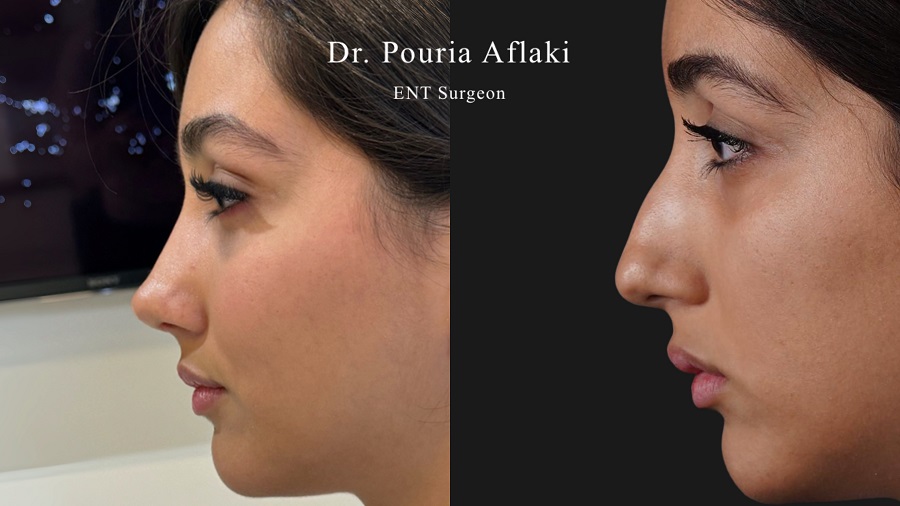
Reviewing rhinoplasty before and after photos of previous patients is a crucial tool for evaluating a surgeon’s capabilities. These photographs demonstrate the surgeon’s ability to create natural and balanced results and allow comparison with cases similar to your own.
Assessing patient satisfaction is also a valuable criterion when choosing a rhinoplasty surgeon. A natural appearance that harmonizes with your facial features is far more important than exaggerated or artificial changes.
Beyond technical skill, a good surgeon should instill confidence and a sense of calm in the patient. Ask yourself:
- Do you feel comfortable communicating with the surgeon?
- Are the explanations scientific, clear, and respectful?
- Are your questions answered patiently?
Your relationship with a rhinoplasty surgeon does not end on the day of surgery. Complete nasal healing may take 12 to 18 months, making long-term support and accessibility important aspects of the surgical experience.
Choosing a rhinoplasty surgeon is a life-changing decision, and the results will remain with you permanently. Careful research, appropriate consultation, and evaluation of real surgical results can increase the chances of achieving a beautiful, natural, and lasting outcome.
Preoperative Preparation for Rhinoplasty
Rhinoplasty is one of the most complex aesthetic and reconstructive surgical procedures. Its goals may include correcting aesthetic imperfections, improving nasal breathing, and achieving harmony with other facial features.
While surgical skill and experience are critical, thorough preoperative preparation for rhinoplasty also plays an important role in reducing complications, supporting recovery, and achieving a natural and stable outcome.
The Importance of Preoperative Preparation
Preoperative preparation includes a set of physical, psychological, and environmental measures that enhance patient safety, reduce surgical risks, and prepare the body for surgery.
Many patients believe postoperative care is the most important aspect of the procedure, but preparation before surgery forms an important foundation for a successful operation and satisfactory results.
Benefits of Proper Preoperative Preparation
- Reduced surgical complications: Less bleeding, swelling, and bruising.
- Faster recovery: A better-prepared body may heal more efficiently.
- Lower anxiety and stress: Clear planning and understanding of the procedure can promote mental calmness.
- Natural and lasting results: Following preoperative instructions can contribute to a more harmonious and stable nasal shape.
Key Preoperative Measures for Rhinoplasty
Companion and Support
- Having a companion on the day of surgery and during the initial recovery period is essential.
- The companion can assist with administrative tasks, medication, dressings, and early care.
- Patients should avoid driving in the early postoperative period due to the effects of anesthesia on concentration and coordination.
Medications and Allergies
- Take medications and supplements strictly as prescribed.
- Inform the surgeon of any medication allergies or ongoing treatments.
- Anti-inflammatory medications such as aspirin, ibuprofen, naproxen, and herbal supplements should be discontinued at least 10–14 days before surgery to reduce bleeding and bruising risks.
Nutrition and Hydration
- Maintain a healthy, nutritious diet including fruits, steamed vegetables, and light meals.
- Do not eat or drink the day before surgery unless otherwise instructed by your physician.
- Avoid alcohol and caffeine in the days leading up to surgery, as they may negatively affect anesthesia and tissue healing.
Smoking and Tobacco Use
- Stop smoking, hookah use, and all tobacco products at least two weeks before surgery.
- Nicotine reduces blood flow and oxygen delivery to tissues, increasing the risk of infection and prolonged swelling.
Preparing Your Home and Environment
- Prepare a comfortable, warm resting area with easy access to essential items.
- Have dressings, cold compresses, pillows, and medications ready in advance.
- Prepare soft, light meals for the initial recovery days.
- Ensure someone is available to assist with daily activities during the early postoperative period.
Preoperative Exercises and Sleeping Preparation
Mouth Breathing Practice
- Practice breathing through the mouth several days before surgery.
- This may help patients adapt more easily during the initial postoperative days when nasal congestion is common.
Sleeping Position
- Practice sleeping on your back and avoid side or stomach sleeping.
- Using pillows to support the head helps maintain proper alignment and protects the nasal structure.
Medical Tests and Preoperative Evaluation
Depending on the patient’s circumstances and the surgeon’s assessment, preoperative evaluation may include:
- Complete blood count (CBC)
- Coagulation tests (PT, PTT, INR)
- Blood glucose, kidney, and liver function tests
- Pregnancy test for female patients
- Review of medical history, medications, allergies, and chronic conditions
These evaluations help the surgeon minimize risks related to bleeding, infection, and anesthesia.
Medical Photography Before Rhinoplasty
Standardized preoperative photography is an essential component of surgical planning. Standard photographs may include:
- Frontal view
- Right and left lateral views
- Right and left three-quarter views
- Basal (underside) view
- Top view
These images allow detailed analysis of the nasal structure, facilitate surgical planning, and help clarify patient expectations.
When Is a CT Scan Necessary Before Rhinoplasty?
In specific cases, such as traumatic noses or breathing disorders, a CT scan before rhinoplasty may provide detailed three-dimensional information.
Potential benefits include precise planning, identifying anatomical limitations, and selecting an appropriate corrective approach. CT scans should be performed only when necessary to avoid unnecessary radiation exposure.
Behavioral Guidelines in the Weeks Before Rhinoplasty
- Adequate sleep and daily rest
- Healthy nutrition with small, nutrient-rich meals
- Light exercise until a few days before surgery, followed by complete rest
- Avoid prolonged sun exposure
- Discontinue irritating skincare products at least four days before surgery
- Manage anxiety using relaxation techniques
The success of rhinoplasty depends on two key factors: the surgeon’s expertise and the patient’s thorough preparation.
Strict adherence to preoperative measures—including consultation and planning, medical tests, medication discontinuation, smoking cessation, home preparation, breathing and sleeping exercises, medical photography, and CT scans when needed—can help reduce complications, support recovery, and contribute to natural, beautiful, and lasting results.
Full patient cooperation with the surgeon before surgery is essential for achieving the best possible outcome. Preoperative preparation is an important part of achieving a healthy and aesthetically pleasing nose.
Mental Preparation and Anxiety Management Before Rhinoplasty
Rhinoplasty is one of the most common aesthetic and reconstructive surgeries, yet it can be a significant source of anxiety for many patients. Fear of surgical outcomes, postoperative pain, recovery time, and anesthesia can increase stress levels.
Mental preparation before rhinoplasty can improve the patient’s experience and may positively influence recovery and overall satisfaction.
Common Sources of Anxiety Before Rhinoplasty
Common factors contributing to anxiety before rhinoplasty include:
- Fear of surgical results and dissatisfaction with appearance
- Concerns about pain and postoperative discomfort
- Anxiety related to general anesthesia
- Negative past experiences or exposure to unfavorable outcomes in others
Effects of Stress on the Body on the Day of Surgery
Preoperative stress can cause both psychological and physical effects that may interfere with surgery and recovery, including:
- Increased heart rate and blood pressure due to adrenaline release
- Rapid, shallow breathing that may lead to reduced oxygenation and dizziness
- Gastrointestinal discomfort, nausea, or vomiting
- Excessive sweating and muscle tremors
- Weakness and lightheadedness
Managing stress before and on the day of surgery is an important part of preparing for a safe and successful procedure.
Effective Strategies for Managing Anxiety Before Rhinoplasty
Consultation with the Surgeon
Open communication with an experienced rhinoplasty surgeon can help reduce stress by clarifying the surgical process, setting realistic expectations, and building trust.
Relaxation and Breathing Techniques
- Deep, slow breathing
- Meditation to focus on the present moment
- Progressive muscle relaxation
Regular practice of relaxation techniques can help reduce anxiety and promote mental calmness before surgery.
Social Support
Support from family, friends, or patients with similar experiences can help reduce emotional burden, enhance confidence, and provide reassurance before rhinoplasty surgery.
Practical Preparation
Following fasting and medication instructions, preparing the recovery environment, and arranging postoperative assistance can contribute to greater peace of mind before surgery.
Cognitive Preparation and Education
Understanding each stage of surgery, reviewing real patient results, and maintaining realistic expectations can reduce uncertainty and fear associated with rhinoplasty.
Light Physical Activity
Gentle exercise before surgery may help lower stress hormones, improve sleep, and support overall well-being.
Medication for Anxiety When Needed
In specific cases, the surgeon may prescribe mild anti-anxiety medication to support patient comfort before surgery.
Key Takeaways for a Calm and Successful Rhinoplasty Experience
Each individual has unique methods for managing stress. Focusing on personal goals and the potential benefits of surgery, such as improved self-confidence and mental well-being, can help reduce anxiety.
Positive thinking, breathing exercises, social support, and practical preparation can work together to enhance the overall surgical experience.
Mental preparation and anxiety management before rhinoplasty are important components of the surgical experience. Through effective consultation, relaxation techniques, social support, practical preparation, and light exercise, patients can approach surgery with greater confidence and calmness.
Proper preparation before rhinoplasty can help patients feel more informed and prepared for the surgical journey and may contribute to greater satisfaction with the final results.


 No 32, Vallinezhad St., Vanak Square, Tehran, Tehran Province, Iran